If you’re searching for lot clearing in Indianapolis IN, you probably have a piece of land that needs serious work before anything else can happen on it. Maybe it’s a wooded lot in Westfield, an overgrown residential parcel in Hancock County, or a commercial site near the Geist area that hasn’t been touched in years. The problem is, most people don’t fully understand what lot clearing involves until they’re standing in front of a tangle of silver maples and chest-high brush wondering where to even start.
What Is Lot Clearing and How Is It Different from Tree Removal?
Lot clearing is the full process of removing trees, stumps, brush, undergrowth, and debris from a property to get it ready for construction, landscaping, or development. It’s not the same as calling someone to take down one or two problem trees in your backyard. Think of it this way: standard tree removal is targeted work on specific trees. Lot clearing is a ground-up reset of an entire parcel.
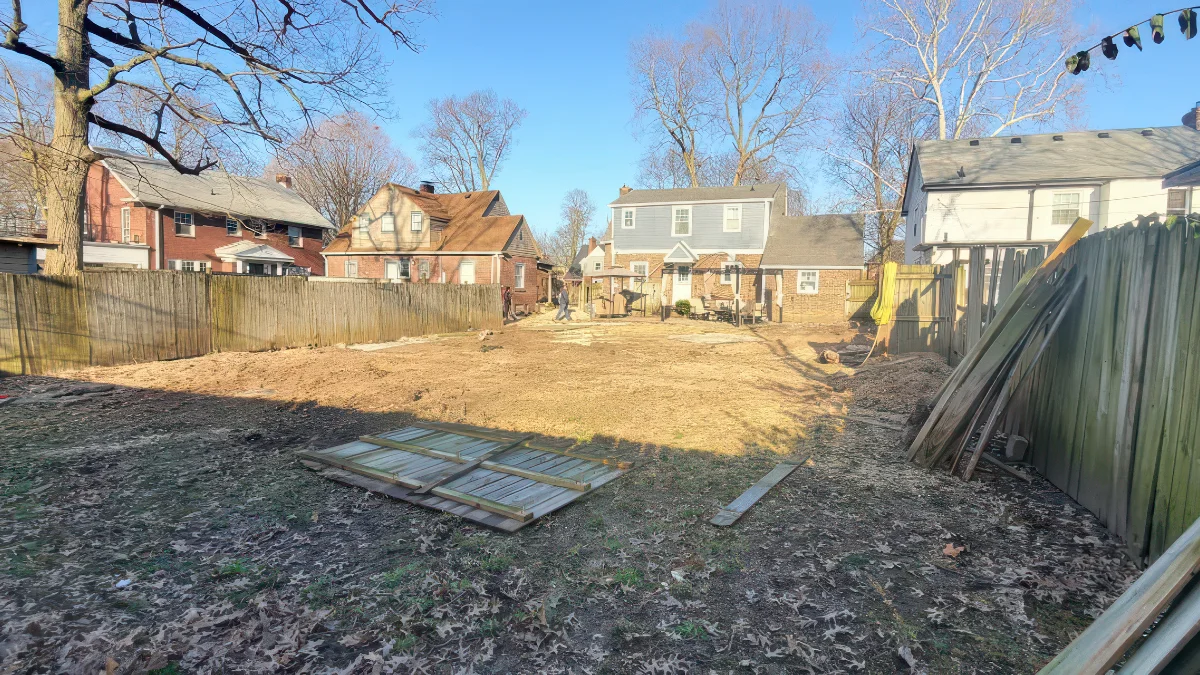
A cleared lot means every tree that needs to come down is gone, every stump is dealt with, brush and invasive plants are cut back or removed entirely, and the debris is chipped or hauled away. What you’re left with is a workable surface that a builder, grader, or landscaper can actually use. That’s the goal, and it takes a different approach, different equipment, and more planning than a routine tree job.
When Do You Actually Need Lot Clearing?
You need lot clearing when standard tree removal isn’t enough to prepare the property for its next use. The clearest situations include new construction on raw or wooded land, preparing an overgrown residential lot before landscaping, clearing space for an addition or outbuilding, and removing invasive species that have taken over a site.
Fire mitigation is another reason, especially on larger rural properties in the Indianapolis metro fringe. And agricultural land prep, where someone is converting wooded or scrubby ground back into productive land, is a common request in the counties surrounding Marion. The Indianapolis metro area has been growing fast. According to the U.S. Census Bureau, the Indianapolis-Carmel-Anderson metro area added over 130,000 residents between 2010 and 2020, and new subdivisions in Fishers, Noblesville, Westfield, and Carmel have pushed development into land that was previously wooded or rural. That growth means lot clearing demand has gone up right alongside it.
The Lot Clearing Process: What Actually Happens on Your Property
The first step is always assessment and planning. A good lot clearing crew walks the property before a single saw starts, identifying utility lines both overhead and buried, checking for any structures or features that need to be protected, and noting the size and species of trees on site. Before any clearing work begins, you should contact Indiana 811 at call811.com to have underground utilities marked. This is not optional. Hitting a buried gas or electric line is dangerous and expensive, and it’s completely preventable with one free call.
Permit requirements come into the assessment phase too. Indiana doesn’t have a statewide permit requirement for tree removal on private property, but some municipalities do have local ordinances. Indianapolis, Carmel, and Fishers all have regulations around significant or heritage tree removal. You’ll want to check with the local planning department before starting, because the rules vary by city and sometimes even by zoning district.
Once the planning is done, the actual clearing begins with tree and brush removal. Large trees come down first, using chainsaws and, for big specimens in tight spaces, bucket trucks or crane equipment. After the trees are down, stumps get ground down or fully removed depending on what the project requires. Full stump removal pulls the root ball out of the ground, which matters if you’re pouring a foundation or doing deep grading. Stump grinding is faster and works well for most landscaping and light construction prep. Here in central Indiana, the clay-heavy soils hold moisture and grip root systems tightly, which makes stump grinding a bit more demanding than it would be on sandier ground. Indiana clay doesn’t let go easily.
Brush, limbs, and debris get fed through a chipper or loaded out, depending on the volume. Some of the chipped material can stay on site as mulch. Most of the time on a development project, it all gets hauled away. One thing worth being clear about: lot clearing companies handle the trees, stumps, brush, and debris. Grading, where the ground is actually shaped and leveled for construction, is typically a separate scope of work handled by a grading contractor. The lot clearing crew gets you to bare, workable ground. The grader takes it from there.
Equipment Used in Lot Clearing and Why It Matters
The equipment a company brings to your lot determines what jobs they can actually handle. Basic lot clearing uses chainsaws, skid steers, brush cutters, chippers, and dump trucks. But when you’ve got large trees, tight access points, or trees close to structures, you need more than basic equipment.
That’s where a 40-ton crane becomes a real differentiator. A crane allows crews to lift large sections of a tree straight up and out, rather than felling them in a direction that could damage a neighboring property, a fence line, or existing structures. On tight residential lots in Carmel or Fishers where properties are close together, a crane isn’t a luxury. It’s the only safe way to do certain jobs. Bucket trucks handle canopy work and allow safe access to the upper portions of tall trees. Stump grinders and dedicated stump removal equipment round out a full-service operation.
(By the way, if a company quotes you on a dense, wooded lot but doesn’t mention how they’re handling stump removal and debris disposal, those are two questions you should ask before signing anything.)
Common Tree Species You’ll Encounter on Indianapolis-Area Lots
Indiana lots, especially in Hamilton, Boone, and Hancock counties, tend to have a mix of native and naturalized trees. Sugar maple and white oak are common, and both are large, dense hardwoods that take real equipment to remove safely. American elm, black walnut, tulip poplar, hackberry, and silver maple are also typical. Black walnut is worth mentioning specifically because it has value as timber, and some property owners choose to have walnut logs removed rather than chipped. If you’ve got significant walnut on your lot, ask about that option.
Professional tree removal services from ASAP Tree and Crane Service can help you identify what’s on your property and what the best approach is for each species and situation. Some trees need to come down in sections. Others can be felled conventionally. The species, size, location, and what’s around them all factor into how the work gets done.
How Long Does Lot Clearing Take?
Timeline depends heavily on the size of the lot, the density of vegetation, and the number and size of trees involved. A small residential lot with moderate tree cover and brush can typically be cleared in one to two days. A larger lot or one with dense mature trees might take three to five days. Large commercial clearing projects, covering an acre or more with significant tree density, can run one to two weeks depending on scope, access, and what the debris plan looks like.
Weather matters too. Central Indiana winters and wet springs can delay work, especially when clay soils are saturated and heavy equipment would tear up the ground. Late spring through fall is generally the most productive window, though experienced crews work year-round when conditions allow.
What Does Lot Clearing Cost?
Cost is driven by several factors: the size of the lot, how dense the vegetation is, the number and size of trees, whether you need stump grinding or full stump removal, how debris is handled, and how accessible the site is for equipment. A half-acre lot with moderate brush and a dozen mid-size trees is a very different job than a two-acre site packed with mature white oaks.
Stump removal in the Greater Indianapolis area tends to add to the overall project cost, but it’s often worth it depending on what you’re building. Hauling debris off site costs more than chipping and leaving it, but on a construction lot, you usually can’t leave material behind. Get itemized quotes so you know exactly what’s included and what isn’t.
What to Ask a Lot Clearing Company Before You Hire Them
Ask whether they’re bonded and fully insured. This isn’t just a formality. Lot clearing involves heavy equipment, large falling trees, and real risk. If something goes wrong on your property with an uninsured crew, you’re the one holding the liability. Ask if they’re a member of the TCIA, the Tree Care Industry Association, which sets professional standards for tree care companies.
Ask about their equipment. A company without crane capability or a bucket truck is limited in what they can safely handle on complex lots. Ask specifically how they handle stump removal and debris disposal. And ask whether they’ve worked on similar lots in your area, because local experience with Indiana soils, local ordinances, and regional tree species is genuinely useful. You can request a free lot clearing estimate from ASAP Tree and Crane to see how a properly equipped company approaches your specific property.
Frequently Asked Questions
How long does lot clearing take in the Indianapolis area?
For most residential lots in the Indianapolis area, lot clearing takes one to two days if the lot is under a half-acre with moderate tree cover. Larger lots with dense vegetation or significant mature trees can take three to five days. If you’re clearing more than an acre for a commercial or development project, plan for one to two weeks depending on the scope. ASAP Tree and Crane Service works on properties across Indianapolis, Carmel, Fishers, Noblesville, Westfield, and surrounding areas, and the timeline we give you during the estimate is based on what we actually see on your specific lot, not a generic guess.
Do I need a permit to clear a lot in Indianapolis?
Indiana doesn’t require a statewide permit for tree removal on private property, but that’s not the whole story. Cities like Indianapolis, Carmel, and Fishers have their own local ordinances that regulate the removal of significant trees, and you’ll need to check with the local planning department before work starts. ASAP Tree and Crane Service serves property owners throughout the Greater Indianapolis area and we’re familiar with the permit landscape in different municipalities. We recommend making that call early in the planning process so it doesn’t hold up your project.
What happens to the stumps and debris after lot clearing?
After tree removal, you have two main options for stumps: grinding, which removes the stump down below grade and is sufficient for most landscaping and light construction work, or full removal, which pulls the root ball entirely and is better suited for foundation or deep grading work. Debris from the clearing, branches, brush, and wood, gets chipped on site or hauled away depending on your project’s needs. ASAP Tree and Crane Service handles both stump grinding and stump removal in the Greater Indianapolis area, and we’ll walk you through which approach makes the most sense based on what you’re building.
How do I know if a lot clearing company is qualified?
Start with the basics: are they bonded and fully insured? Do they carry liability coverage and workers’ comp? TCIA membership is a good indicator of professional standards. Ask about their equipment, because a company without crane capability or a bucket truck can’t safely handle large trees in tight spaces. ASAP Tree and Crane Service has been a TCIA member in good standing, has operated as a family-owned business since 2007, and carries a 40-ton crane for jobs that require it. We serve the Greater Indianapolis area including Hamilton, Hancock, and Boone counties, and we’ve been doing this work for over 20 years.
Can lot clearing damage my property or neighboring properties?
It can, if it’s done wrong. Felling large trees without proper planning can damage fences, structures, utility lines, and neighboring lots. That’s exactly why equipment like a 40-ton crane matters on tight or complex lots. A crane lets you lift sections of a tree straight up and out instead of relying on directional felling alone. ASAP Tree and Crane Service approaches every lot clearing job in the Greater Indianapolis area with a site assessment first, utility line identification before any work starts, and a crew that knows how to work around structures, property lines, and neighboring properties safely. The goal is to leave your lot cleared and your surroundings intact.
Lot clearing is a specialized process that combines skilled labor, heavy equipment, and careful planning to prepare a property for whatever comes next. Understanding what’s involved, from permits and utility marking to stump options and debris handling, puts you in a much better position to plan your project and choose the right company for the job.
Ready to Clear Your Indianapolis Property?
ASAP Tree and Crane Service serves property owners and developers across Indianapolis, Carmel, Fishers, Noblesville, Westfield, and the surrounding Greater Indianapolis area. Whether you’re preparing a lot for new construction, clearing overgrowth for a landscaping project, or need brush and tree removal before breaking ground, our crew is ready. Visit asapindy.com to request your free estimate.
